Introduction to B2B Outreach
If you want predictable client growth, you need a structured B2B outreach playbook. Without it, outreach feels random, frustrating, and inconsistent. With it, you build a repeatable system that attracts qualified leads and turns conversations into contracts.
In today’s competitive SaaS and startup environment, founders are launching new products every day. They need partnerships, visibility, and growth. That’s where strategic outreach comes in. Instead of waiting for inbound leads, you proactively connect with decision-makers.
And here’s the good news: when done correctly, outreach can generate 40–50% open rates and 20–30% conversion into real conversations.
Let’s break it down step by step.
Understanding the Core of a B2B Outreach Playbook
A B2B outreach playbook isn’t about sending hundreds of emails and hoping for replies. It’s about building a repeatable process.
What Makes Outreach Work in 2026
Three factors make outreach successful:
- Precision targeting – You contact only relevant prospects.
- Personalization – Your message feels tailored, not automated.
- Clear value proposition – You explain what’s in it for them.
Modern founders receive dozens of pitches daily. The difference between being ignored and getting a reply often comes down to relevance.
Common Mistakes in B2B Prospecting
Let’s be honest—most outreach fails because of:
- Generic copy-paste emails
- No clear offer
- Contacting the wrong audience
- No follow-up system
Avoid these mistakes, and you’re already ahead of 80% of competitors.
Defining Your Ideal Customer Profile (ICP)
Everything starts with clarity.
If your ICP is unclear, your outreach will fail.
For example, if you target early-stage SaaS founders who launched within the last 1–5 months, your messaging must reflect their stage.
How to Identify Early-Stage SaaS Founders
Look for:
- Recently launched MVP
- Pre-seed or bootstrapped companies
- Active product announcements
- Startup directories
These founders are often more open to partnerships and collaborations.
Creating a Clear Targeting Framework
Build your targeting system using:
| Criteria | Example |
|---|---|
| Industry | SaaS |
| Stage | Early-stage (1–6 months post-launch) |
| Revenue | Pre-seed or <$500K ARR |
| Geography | US, EU, UK |
| Decision Maker | Founder or Co-Founder |
Clarity saves time.
Where to Find High-Quality B2B Leads
Now comes the practical part—finding prospects.
Using Product Launch Platforms
Platforms like Product Hunt and BetaList are goldmines.


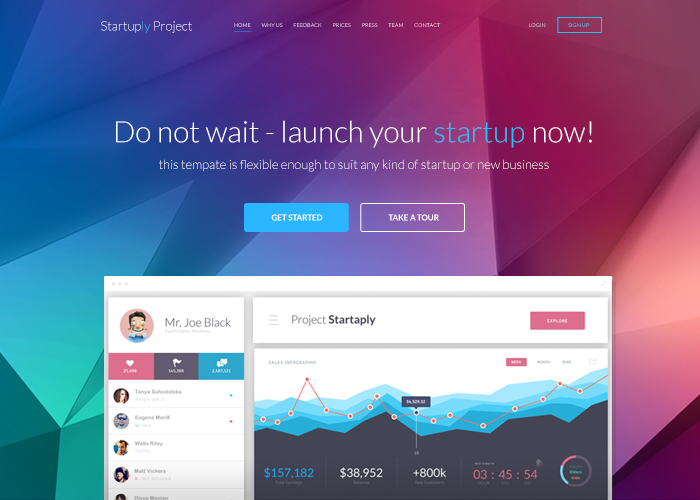
Founders actively share their new projects there. That means:
- They are in growth mode
- They want exposure
- They are open to collaboration
Visit the product page, explore the website, and look for contact information.
Leveraging Professional Networks
LinkedIn remains one of the strongest B2B tools.
Use filters to search for:
- Founder
- Co-Founder
- SaaS
- Recently launched
Send personalized connection requests, not sales pitches.
Exploring Freelance Marketplaces
Upwork is another underrated channel.


Many startups post projects there. Even if you don’t apply directly, you can:
- Visit their website
- Identify decision-makers
- Reach out independently
How to Find Verified Contact Information
Finding emails is often easier than people think.
The Privacy Policy Method
Go to:
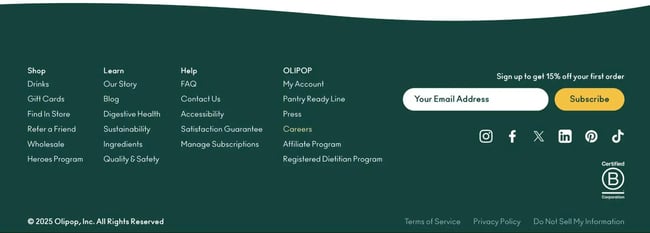
- Website footer
- Privacy Policy page
- Terms & Conditions
In many cases, you’ll find emails like:
- support@
- hello@
- social@
This method works surprisingly well.
Social Media & Link Aggregators
Instagram bios often contain:
- Linktree pages
- Email contacts
- Direct contact buttons
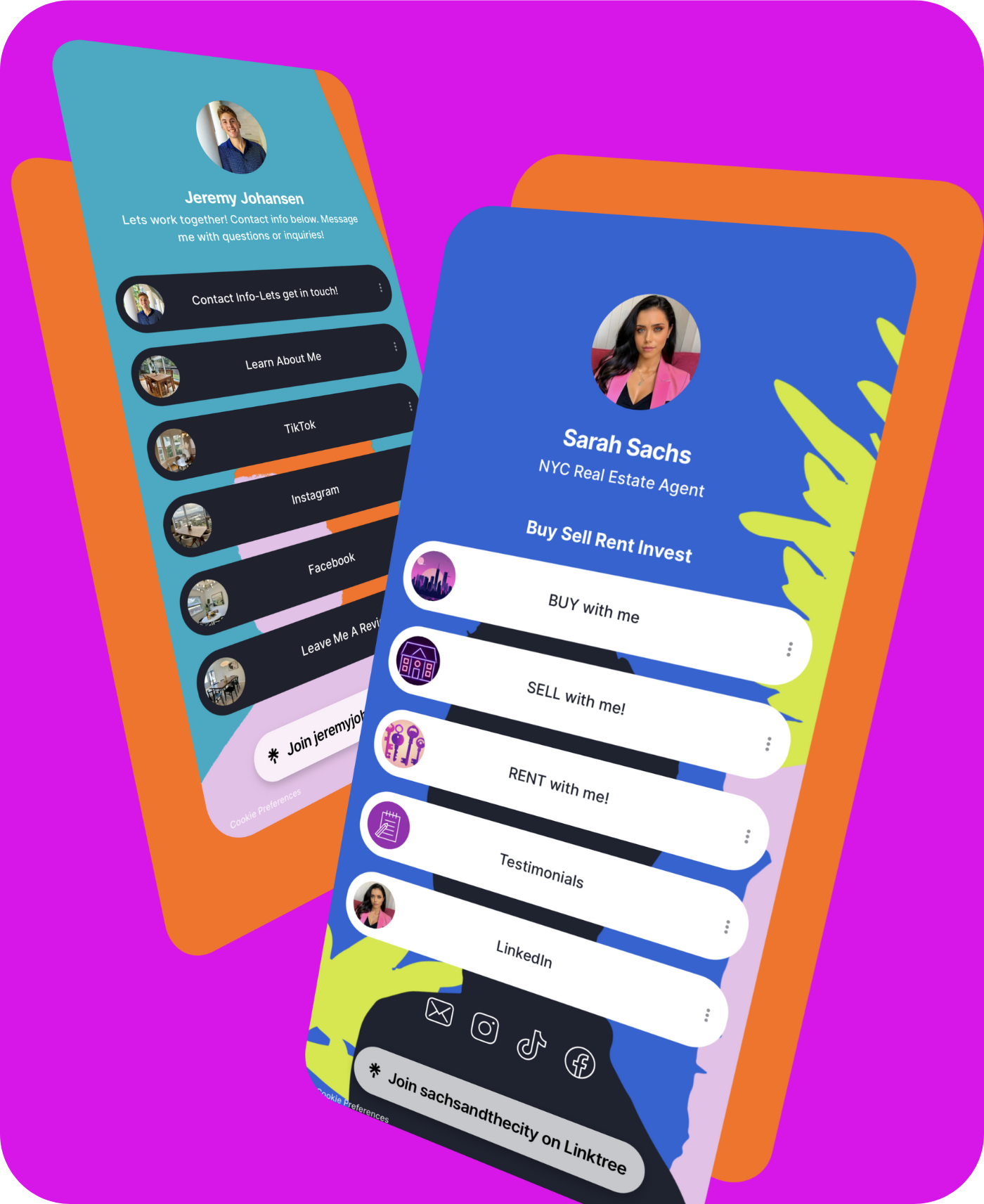


It takes 10–15 minutes per company. If nothing appears, move on. Time matters.
Crafting the Perfect Cold Email
Your email must be short, clear, and relevant.
Email Structure That Converts
Here’s a simple structure:
- Subject Line – Specific and personalized
- Opening Line – Mention their product
- Value Proposition – What you offer
- Social Proof – Links to your channels
- CTA – Simple next step
Example CTA:
Would you be open to a short collaboration call this week?
Short beats clever.
Improving Open & Reply Rates
To improve performance:
- Keep emails under 120 words
- Avoid attachments in first email
- Use plain text
- Follow up after 3–5 days
Tracking performance is key.
Measuring Outreach Performance
Track:
- Open rate
- Reply rate
- Meeting booking rate
- Closed deals
If you’re getting 40–50% opens and 20–30% conversations, your system works well.
If not—optimize targeting first.
Scaling Your B2B Outreach Playbook
Once validated, scale carefully.
Use:
- CRM systems
- Email tracking tools
- Automation workflows
But remember—automation should support personalization, not replace it.
Outreach Ethics & Compliance
Respect:
- GDPR rules
- Opt-out requests
- Professional tone
Never scrape personal emails illegally. Stay compliant and professional.
For more information on email marketing regulations, visit the official GDPR resource: https://gdpr.eu/
Real-Life Example of B2B Outreach Workflow
Here’s a simplified workflow:
- Define ICP
- Visit startup platforms
- Select relevant companies
- Extract contact email
- Send personalized email
- Track response
- Follow up
- Book call
- Close deal
Repeat consistently.
Advanced Outreach Strategies
Want more leverage?
Try:
- Multi-channel outreach (email + LinkedIn)
- Personalized Loom videos
- Public engagement before DM
Build familiarity before pitching.
Tools That Strengthen Your B2B Outreach
Helpful tools include:
- CRM platforms
- Email tracking software
- Notion for tracking
- Spreadsheet dashboards
Keep it simple first.
Frequently Asked Questions
1. How many emails should I send daily?
Start with 10–20 high-quality emails per day.
2. What is a good reply rate?
15–30% is strong in B2B.
3. Should I automate cold outreach?
Only after validating manual success.
4. How long should a cold email be?
Under 120 words.
5. Is LinkedIn better than email?
Both work best together.
6. How long before I see results?
Usually within 2–4 weeks of consistent outreach.
Conclusion
A structured B2B outreach playbook transforms random prospecting into a predictable client acquisition system. When you define your ICP, find relevant platforms, extract verified contacts, and send personalized messages, outreach becomes powerful—not spammy.
Consistency beats intensity.
Start small. Track results. Optimize weekly.
And remember: outreach isn’t about volume. It’s about relevance.
Anton Marketer
https://linkedin.com/in/asaburov